Digital Phenotyping in Glaucoma with Kouros Nouri-Mahdavi, ep 44
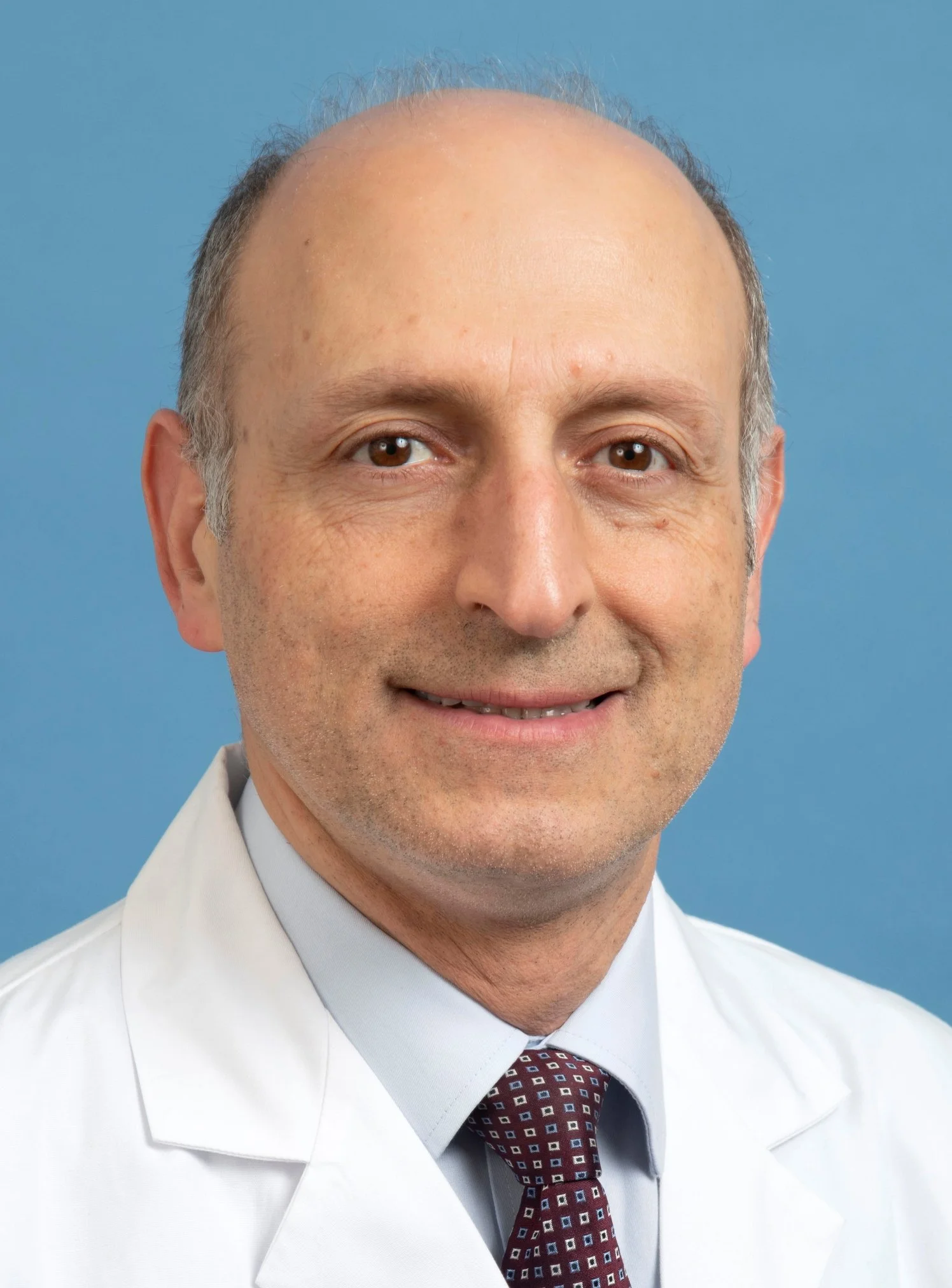
In this episode, I talk with Dr, Nouri-Mahdavi about digital phenotyping in Glaucoma. Digital phenotyping enable us to use at home data to supplement our brief clinical snapshots. It involves the quantification of a patient’s behaviour, physiology, and functioning using digital devices (smartphones, wearables, home devices) and turning those streams into digital biomarkers.


In this episode, I talk with Dr, Nouri-Mahdavi about digital phenotyping in Glaucoma. Digital phenotyping enable us to use at home data to supplement our brief clinical snapshots. It involves the quantification of a patient’s behaviour, physiology, and functioning using digital devices (smartphones, wearables, home devices) and turning those streams into digital biomarkers.
Visit https://TalkingAboutGlaucoma.com to BuyMeACoffee, find show transcript, video-link, all my social feeds, subscribe to the newsletter, provide feedback and Register as a Guest if you want to be on a future episode. Video versions of some episodes can also be found on YouTube.
More information about Dr Kouros Nouri-Mahdavi can be found at https://www.talkingaboutglaucoma.com/guests/kouros-nouri-mahdavi/
Theme music “Middle East Gold” ©Daniel Schertzer 2010 and published by Les Prods DOSWA Enr
This episode ©Dr Robert Schertzer Inc 2026
Digital Phenotyping in Glaucoma (Episode 44)
[00:00:00]
[00:00:05] Robert: And we are rolling. Good morning, Kouros Nouri-Mahdavi, uh, you, who is the K.K. Pitt Chair of Department of Ophthalmology, Chief of Glaucoma Service, and Director of the Glaucoma and Neuro-Ophthalmology Research Lab unit at UCLA. Do I have that right?
[00:00:23] Kouros Nouri-Mahdavi: Yes. Yes. Thank
[00:00:24] Robert: It's indeed. Welcome to,
[00:00:24] Introduction
[00:00:24] Robert: welcome to the show
[00:00:26] Kouros Nouri-Mahdavi: good, good, good morning everybody
[00:00:27] Robert: So we're actually gonna, we're actually recording today, but we're gonna divide this, uh, into two episodes in the end because there's probably plenty to talk about.
[00:00:36] We're gonna talk about digital phenotyping in glaucoma, which is probably a term that, um, um, people may not know the term, even if they're aware of a lot of the things involved with digital phenotyping. And we're also gonna talk about eye care home tonometry, and I think that's probably gonna end up needing a whole show on its own, so that'll be, that'll appear in a, [00:01:00] a future episode.
[00:01:01] And I- the home tonometry would be, uh, an active measurement as part of digital phenotyping, if I have that correct, versus passive measurements.
[00:01:11] Kouros Nouri-Mahdavi: Yes, could be. Could be connected basically. Could be
[00:01:15] Robert: yeah
[00:01:15] Kouros Nouri-Mahdavi: of tests that people could be doing at home, uh,
[00:01:18] Robert: So let's talk about the digital phenotyping in glaucoma. What, what is it?
[00:01:23] Kouros Nouri-Mahdavi: So, uh, it's, it's a fairly new term and, uh, what it means is that basically using digital devices, that we carry all, all the time, we're interacting all the time, and use that to, uh, implement, uh, a, a basically software and application on those devices measure patient behavior, subject behavior. Uh, so, um, what happens is that, um- Uh, based on a Pugh Research Center, uh, survey fairly recently, they found that, uh, uh, ninety-one percent of Americans at this point are wearing, basically carrying a, [00:02:00] a digital device, a smartphone. So the-- And the smartphones have a lot of, uh, sophisticated measurement, uh, gadgets in them. That's how they work. You know, the GPS, the, uh, the gyroscope, and a few other things. So y-you can... If you put, uh, the right app on these, um, digital devices, smartphones, you can actually measure a lot of things, know a lot of things about people. Uh, there's been a lot of ways to, uh, monitor people, uh, in the past, uh, when you're measuring and you're assessing the functional consequence of glaucoma, uh, starting with surveys or, uh, looking at, uh, historical retrospective data from DMV, uh, using a spec-specific labs to measure patient-- how patients walk, how a patient, um, manage obstacles, how a patient do, you know, um, how they behave when they're doing virtual driving and things like that. but, uh, this is new and the beauty of it is it-- is that [00:03:00] you don't need an extra hardware. Like, uh, the-- As you know, uh, like, uh, people like, um, Pradeep Ramulu have done a lot of great work in this area measuring the functional consequence of glaucoma. But i-in, in those studies, everybody had to wear something, uh, like an accelerometer on the hip or what we call a wrist actigraph, ac-actigraph or with, uh, basically something on the wrist or some sort of sensor on some part of body to, to be measured. But the beauty of the digital phenotyping is that, uh, now you can use a device a patient, uh, or the subject is carrying all the time pretty much, and using the-- all those, um, sensors in the cell phone to assess how the patient's, um, the patient is behaving, how the patient is-- how, how active the patient is, uh, and where the patient is all the time during the day, at night. And also you can also, uh, monitor the text and [00:04:00] the calls that the patient is making, long they are, how many they do and, uh, things such as that. So this is, this is
[00:04:07] Robert: So this is, this would be like the, the passive monitoring. The, like there's passive and active data
[00:04:13] Kouros Nouri-Mahdavi: Now, the, there's an active part, uh, depending on, um, the app that you're using.
[00:04:19] The, currently the, the app that is available for research purposes is an app that was developed by JP Onnela, who's, um, the chair of biostatistics at the School of Public Health at Harvard. And, um, there's-- with this app, there's, there's a way to actually push notifications to the patient and of ask them questions. So in a recent pilot study we did, for example, we divided the VA-- VFQ-- NEI VFQ-25 survey into, like, easy, easy pieces of, you know, like four or five pieces, basically, or sections. [00:05:00] And we delivered those, uh, notifications every week, every two weeks to the patient. So it's becomes a much more manageable survey, maybe a minute or two to do, and then after a few weeks, you get a full...
[00:05:13] After all the notifications are sent out, you get a full survey, uh, that you can actually use and analyze.
[00:05:20] Robert: So this is to look at basically the quality of life and how that's being affected in patients with glaucoma.
[00:05:26] Kouros Nouri-Mahdavi: exactly
[00:05:26] Robert: And hopefully you could weed out from that comparison with the, the degree of glaucoma damage and how that's impacting their quality of life and with measurements that otherwise you wouldn't be able to get from just examining them in the clinic
[00:05:40] Kouros Nouri-Mahdavi: Right. Exactly. Exactly. So, uh, there's these two parts of it that, uh, are helpful, uh, in, uh, assessing how the patients function Okay. So this is the digital phenotyping. That's, that's so far... I, I hope I explained it well,
[00:05:54] Robert: Yeah, I know. That's great
[00:05:55] Kouros Nouri-Mahdavi: it, what it means to, to do digital phenotyping.
[00:05:57] Robert: Now do, do any of these, uh, ways of doing [00:06:00] digital phenotyping also include other sensors that people commonly have, like the Apple Watch or the Oura Ring, things like that? Or
[00:06:09] Kouros Nouri-Mahdavi: I mean, you could. Um, this particular app we're using, um, it's not dependent on that and, um, one
[00:06:15] Robert: That makes it easier.
[00:06:16] Kouros Nouri-Mahdavi: Right, because then you have to give patient... I mean, not everybody has an Apple Watch or other sensors they're using. So the beauty of it is that everybody has a cell phone. But you potentially, yes, you could, you could do that. Yeah.
[00:06:29] Robert: Yeah. 'Cause otherwise you'd worry there'd be a sort of a, a barrier to entry to be able to monitor the patients. Like, older patients may not have the technology s- and they'd be more likely to have longer-standing glaucoma and be more severely affected, and you wouldn't be able to get that data.
[00:06:45] Kouros Nouri-Mahdavi: Exactly.
[00:06:47] Robert: that's good that this is sort of universal device that people have
[00:06:50] Kouros Nouri-Mahdavi: Yeah
[00:06:52] Robert: What sort of data have you found and, and like how do you analyze it?
[00:06:56] And we could also go into, uh, the s- the [00:07:00] security of the data side of things. Like who owns that data? Is it... How is it protected?
[00:07:05] Kouros Nouri-Mahdavi: uh, at this point, um, I will mention that we are developing a separate app for actually monitoring patients, uh, driving. We can talk about that,
[00:07:15] Robert: Wow,
[00:07:15] Kouros Nouri-Mahdavi: very
[00:07:16] Robert: cool. Nice
[00:07:17] Kouros Nouri-Mahdavi: data on that. But, um, at this point, um, we have been working with the Onnela Lab, uh, at Harvard. So the data are basically sent to them, uh, the, to the cloud. They gather the data uh, push back the data to us. And, uh, the, for them, obviously the whole of data gathering and the transfer and everything is, um, secure. So it's HIPAA compliant, it's secure. Um, s- they send back the data to us, then we have like The only person who knows that this code matches this patient is us, research basically lab who's [00:08:00] receiving the data. Uh, it's actually requires a pretty big, um... He's been doing it for like, uh, more than I think ten, 12 years by now, and there's like his lab, his like a big setup and requires updating. So there's a lot of background work that's been done by them
[00:08:19] Robert: Oh, cool
[00:08:20] Kouros Nouri-Mahdavi: you know, everything's kind of, um, properly, and then bugs are fixed and all that stuff.
[00:08:24] But basically, as a research lab, you get the data, and, uh, you can analyze. It's like a CSV file. It's like a database file. And basically, um, you can analyze the data the way you want. Uh, so you get different pieces of-- There's quite a few different outcome measures that you get. Um, the most important ones, um, are the, uh, for example, walking distance, uh, how many steps per day, walking speed, uh, cadence, uh, how much time the patient spent at home, uh, what is their radius, um, [00:09:00] of, um, the, their, the distance or the radius of, uh, distance that their, their home becomes a hub.
[00:09:06] So what is the distance basically? Uh, that how much-- Let, let me re-rephrase that. How far do, do they get from their home
[00:09:15] Robert: Right
[00:09:15] Yeah, so whe- whether they're trapped in their home because of their, limited from their glaucoma or not.
[00:09:20] Kouros Nouri-Mahdavi: How, how far they get from home? What-- How far, you know, every day, uh, they get away from home, their home. Uh, and there are... As I said, there's text messages. Uh, they can-- you can count the number of text messages, count the characters. Uh, there's a number of phone calls and ag-again, lengths of phone calls, incoming, outgoing. So it actually, could become a, um, a very good index of kind of a social, uh, interaction or social isolation index, if you have that. The issue that we have had so far in our pilot study is that, Apple ph-- iPhone basically does not let you get, um, the text and [00:10:00] phone data. that you, you can only get those from, um, uh, the... how you call
[00:10:05] Robert: From Android devices or?
[00:10:06] Kouros Nouri-Mahdavi: devices.
[00:10:07] Robert: Yeah
[00:10:07] Kouros Nouri-Mahdavi: From Android devices. So we haven't looked at that part, but it-- that's, that's potentially useful because imagine if over time, You're watching that and you see that the number of takes are kind of getting slowly sparser, lower, shorter, the number of phone calls are decreasing. A-add that to maybe patient is not moving much from the house or becoming more, uh, and, uh, isolate. That can actually can potentially very useful.
[00:10:35] Robert: Yeah.
[00:10:35] Kouros Nouri-Mahdavi: Yeah
[00:10:36] Robert: Actually, even the Android devices now have secure messaging which could be turned on or off. So I guess with these patients, they'd have to turn off secure messaging if you want to monitor their messaging. So interesting, uh, yeah.
[00:10:50] Kouros Nouri-Mahdavi: Угу.
[00:10:51] Robert: So d- do you have some, uh, data that you could report on or s- some sort of general trends of what you
[00:10:56] see?
[00:10:56] Kouros Nouri-Mahdavi: No, we actually, uh,
[00:10:58] Digital Phenotyping Pilot Study
[00:10:58] Kouros Nouri-Mahdavi: did a pilot, um, study, uh, [00:11:00] last year. We enrolled, uh, about 20, glaucoma suspects.
[00:11:07] Robert: Hı hı
[00:11:07] Kouros Nouri-Mahdavi: reason we chose glaucoma suspects that they're easier to enroll, in a glaucoma clinic. Finding normal subjects in a glaucoma clinic is rather hard. And also we wanted them to be, um, kind of age-matched, age and gender-matched to our glaucoma patients. So we enrolled, um, 24 glaucoma eyes. If I, Let me just make sure I give you the exact number. Yeah. 24 glaucoma patients, 20 glaucoma suspects, uh, we monitored them for about a month. So a month-- They have found, um, that a month is a good, good average number to get a good sense of, uh, how the patient is, uh, doing with regard to their activities. Uh, so we monitored these two groups of patients [00:12:00] and, um, looked at the data. Also, we pushed, surveys, the NIH, uh, the NEI VFQ 25. And then, um, we looked at, um, how they basically how they, uh, with regard to mobility indicators, accelerometer data, um, you know, the GPS data we talked about. um, what we found is that, um, we followed them, as I said, for average of 30 days, a, a little more than 30 days. And they were actually... They were-- We found that they are, uh, pretty much age-matched. The average age was 57 in the glaucoma people, in the glaucoma cohort, and 58 in the GS cohort. Uh, so the caveat here, or maybe the characteristic of the glaucoma group, was that the worse eye MD was only -5.4 on, on average, although there was a range. the better eye MD was, uh, -2.7. So this is a group of eyes that actually are-- have fairly mild [00:13:00] glaucoma with average. - uh,
[00:13:03] Robert: So you're talking mean deviation on the field test is...
[00:13:06] Kouros Nouri-Mahdavi: on
[00:13:06] Robert: Yeah.
[00:13:07] Kouros Nouri-Mahdavi: of 24-2 visual field. Yes. And, um, so we-- this is kind of a high bar to find a res- you know, a positive result because this is people, uh, this is a cohort of people who haven't been quite really affected by glaucoma. So we found that, uh, with regard to activity, uh, the glaucoma people uh, a tendency to walk less and obviously, and take smaller amount of steps and take a, uh, basically w-walk for a shorter amount of time over, you know, uh, on average per day. And, uh, also they spent a-about, uh, two hours on, uh, roughly speaking, longer at home compared to the glaucoma suspects. [00:14:00] And when we l-- we... Now, I, I'll go back to mention something, um, so e-- there's a lot of other things, a lot of things that can affect, um, your activity. Obviously, it's not only your vision and your glaucoma. um, there's age, there's, uh, confounding diseases, and, um, how much you weigh and other things. So, uh, we went back and adjusted our analysis for, uh, age, although the groups, the g- the two groups were kind of, uh, had a similar
[00:14:30] Robert: Mhm
[00:14:30] Kouros Nouri-Mahdavi: for the BMI and for observation count, uh, to kind of that. And we found that when we did that on multivariable analysis, we found that there was a, uh, statistically significant difference between the number of, uh, steps and the walking time between the two groups. That's, that's, that's the main difference we found between the two groups. And by, um, steps, uh, I mean about, uh, on average... Uh, even the control group wasn't walking a [00:15:00] lot after adjusting for these things. The
[00:15:02] Robert: Right?
[00:15:04] Kouros Nouri-Mahdavi: um, the number-- average number of steps was about two thousand, um, almost two thousand steps per day for the glaucoma suspects and, uh, was around thirteen hundred for glaucoma patients. the walking time again was, uh, about, um Uh, almost ele- uh, eleven hundred in the, control group versus, um, about seven hundred seconds for the glaucoma group.
[00:15:26] So, uh, these were statistically significant. Uh, but remember also that, um, there's a caveat that not everybody's carrying their cell phones all the time,
[00:15:35] Robert: Right
[00:15:35] Kouros Nouri-Mahdavi: especially when at home. So that's like probably are underestimating the number of steps and walking time to some degree. But it's interesting that there was a difference.
[00:15:46] Um, now
[00:15:47] Robert: Did, did
[00:15:47] Kouros Nouri-Mahdavi: l-
[00:15:48] Robert: did you do a power calculation to see if it would help if you had more subjects for the data or
[00:15:54] Kouros Nouri-Mahdavi: the, the results are statistically significant, basically you [00:16:00] have the power,
[00:16:00] Robert: Right
[00:16:00] Kouros Nouri-Mahdavi: where because you find something. But if we-- you find a negative result, obviously, then you gotta look at it could be just because you don't have the power. But we did find a... You know, the p-value was like minus, um, not, uh, point oh three seven and point oh three four.
[00:16:16] It's still mildly significant, but it was significant. as I said, the caveat is that this is a group of fairly early glaucoma patients. Then we also looked at, um, NEI VFQ 25 score that, uh, we calculated, and we were able to, uh, finish those in twenty glaucoma patients. I'm sorry, twenty-three glaucoma patients. And we again, we found a fairly good correlation with the NEI VFQ 25, uh, score, um, and the number of steps or walking time with a co-correlation coefficient of point forty-three and point forty-five for the steps and walking time. So it's-- And they were significant again with, uh, sign-- uh, p-value of [00:17:00] point oh four and point oh three, um, between the two. Uh, so there, there is some signal there
[00:17:04] Robert: Yeah
[00:17:05] Kouros Nouri-Mahdavi: So there's some signal there, but obviously not using this for diagnosing glaucoma because y-you know that. The potential utility of digital phenotyping is that the longitudinal value of it. If you have somebody carry this app, and then you check them...
[00:17:26] And you don't have to-- The app doesn't need to be on like every moment of the day. You could have episodes of monitoring, like one month now, one month in four months, another one month or a few weeks in another. So you can-- this can be episodic, uh, data gathering collection, and that works pretty well. As long as you have about four or five weeks of good data, that, that works
[00:17:51] Robert: Yeah. It's probably better to do it episodic, otherwise you'd just have so much data it would be hard to analyze it all and get rid of noise and
[00:17:59] Kouros Nouri-Mahdavi: [00:18:00] Yeah, exactly. That's, uh, that's a good point. Yes. So, um, yeah. So, uh, that's potentially the beauty of it, um, could see how patients are doing over time. especially our interest is more moderate to advanced glaucoma. We're, we're trying to get some funding to see if we can continue this line of work and, uh, get more-- gather more data, maybe enroll some patients for longitudinal, uh, follow-up to see how, how useful it could be, um-
[00:18:28] Robert: and how would this, you know, how would any of this change the management of the glaucoma? Is there, uh, a role for that?
[00:18:34] Kouros Nouri-Mahdavi: Right. So in moderate to advanced glaucoma, I think we-- most people agree that there's a lot of noise in your structural and functional measurements. And sometimes you just are scratching your head whether you have to act or escalate treatment or do something for the patient. uh, if you have confirmatory evidence that the [00:19:00] patient's behavior is changing, in addition to everything else you have in the clinic and, you know, based on your patient, uh, interview and everything, you-- this could be helpful in changing your management and, uh, making you decide either way. know, if, if, if it-- if everything's stable obviously means something and if, if the patient's activity and, uh, communication behavior is getting worse, then maybe something's happening and, and there's no other confounding factor, then obviously, maybe something's happening and you need to address that.
[00:19:31] Robert: Yeah, I guess it, it, I guess it might prompt you to, to then, if you haven't been doing so, do a 10-2 visual field on patient correlate with ganglion cell layer count, 'cause maybe something's been going on there that you weren't even aware of, and the, these markers alerted you to that, that something's changing with them.
[00:19:50] Kouros Nouri-Mahdavi: Or maybe you're seeing the patient, let's say every six months, or patients are missing their appointment, you find a signal that something's [00:20:00] changing, and you can bring back the patient
[00:20:02] Robert: Yeah.
[00:20:03] Kouros Nouri-Mahdavi: do your tests more frequently or again, repeat it and then see if something's going on. So um-- And it's, uh, if you think about it, it's-- I mean, glaucoma is very interesting.
[00:20:13] Glaucoma is what we do. But I mean, any, any disease but any eye pathology that affects vision, I mean, it could be used in a lot of other ocular pathologies to see how patients' behavior changes over time, right? escal- es, um, the-- it can be, uh, scaled up, uh, with different types of ocular pathologies.
[00:20:38] Robert: Do, do-- Are you also monitoring, uh, their adherence to their treatment as part of this in any way?
[00:20:46] Kouros Nouri-Mahdavi: no, that's, that's completely different, um, really. But I mean, we haven't really looked at that, and there's, um... With the app, there's really no way to... Unless make [00:21:00] patient... could send notifications and patient could answer, "Did you use your drops or something on the app?" You could do that. if- if the issue is that if it, if you send too many notifications, we've learned, um, that the patient gets annoyed, and they may just turn off the whole thing.
[00:21:16] Robert: Right.
[00:21:16] Kouros Nouri-Mahdavi: That's,
[00:21:16] Robert: Or the notification reminds me to, them to take the drop, so you're actually, uh, influencing the outcome because it's changing the adherence.
[00:21:24] Kouros Nouri-Mahdavi: Yeah,
[00:21:25] Robert: Yeah.
[00:21:26] Kouros Nouri-Mahdavi: yes
[00:21:27] Robert: Yeah, so it's all neat stuff. So any other comments on anything related to digital phenotyping before we move on to, to, tonometry?
[00:21:37] Kouros Nouri-Mahdavi: Um, well, we have also-- we're-- what I didn't mention actually, I wanna give a shout-out to, Sajad Besharati uh, who is our international fellow who actually, um, brought this up, brought this to my attention, and then we started ha-- uh, to him, we started this project, and he actually, uh, spearheaded the whole project.
[00:21:56] He's, now a, um, researcher at [00:22:00] Stanford um, so the first wanted to mention him and my colleagues at Stein who's, who've been, uh, working on this, uh, with, uh, our lab. other thing I wanted to ch- briefly mention is that, um- We also thought and, uh, realized that, uh, if, if we had another app could, uh, men-- uh, monitor the patient's driving, that would be potentially helpful, uh, at the same time. So, um, of our former postdoc fellows who's now an associate professor at Cal State, um, uh, Los Angeles University, uh, Dr. Naveed Amini, also his research type, he's interested in, um, basically telehealth monitoring and remote, health assessment and all that stuff. Um, smart, uh, guy. So we, uh, his team us, obviously the technical component is them, but we, we've been developing, this app we-- which we call, uh, which we call, um,
[00:22:55] EyeMyWay Driving App
[00:22:55] Kouros Nouri-Mahdavi: EyeMyWay. it's an app that basically monitors [00:23:00] patient driving. And there are a few, um, a few behaviors that the app is monitoring: speeding, under speeding, cornering, sudden braking and all, um, and all this, all the behaviors that kind of show that the patient maybe is not driving properly. And, um, so, uh, that potentially gives us an idea also if the patient is driving, which that has to be determined by the patient when they start to get into the car. We haven't found a way to of do that automatically, although we're working on it.
[00:23:33] Robert: Great
[00:23:34] Kouros Nouri-Mahdavi: uh, we have looked at that in a small group of normal controls and a couple of glaucoma patients, and it seems that we can actually, find signal, some signal there. So if you look at these various, uh, outcome measures and actually you, you can average them into a, uh, score, generic score, general score, I should say, or a global score, uh, then you [00:24:00] can actually kind of say, "Okay, this is the score for the driving for the subject, it is within the range of normal or lower and getting worse," and things like that. So that's like next thing we're gonna try to, uh, use both of them in our future studies to have a better idea of, uh, um, how the patient is doing and, um, that could be an interesting way to monitor patients over time.
[00:24:26] Robert: Yeah, that's very helpful because I, I know it happens on a regular basis for me, I'm not sure if it happens with you too, where a family member sort of takes you to the side and says, uh, you know, "Kelly can't drive anymore." And - Yes
[00:24:39] Kouros Nouri-Mahdavi: yeah. Yeah, that's actually a good way to prove to them because they, there are driving labs, but there's so few, uh, of them around that this is a really hard question to answer, and, uh, do, do I-- Be- And especially in p- I mean, Vancouver is probably you have good public s- transport. In Southern California, it's terrible.
[00:24:59] And telling [00:25:00] somebody not to drive is like, to some of them, is a death sentence, you know? So, you know, it's really hard. So you don't wanna take them away, but also it's kind of, it-- you have a duty and responsibility to be conscious of how safe this patient is. So always a struggle
[00:25:16] Robert: Cool. So that'll wrap up the, uh, digital phenotyping glaucoma topic.
[00:25:21] Kouros Nouri-Mahdavi: Okay.
[00:25:22] Robert: thanks so much.
[00:25:24] Kouros Nouri-Mahdavi: Sure
[00:25:24] Robert: And, uh, now we'll sort of assume we're
[00:25:24]
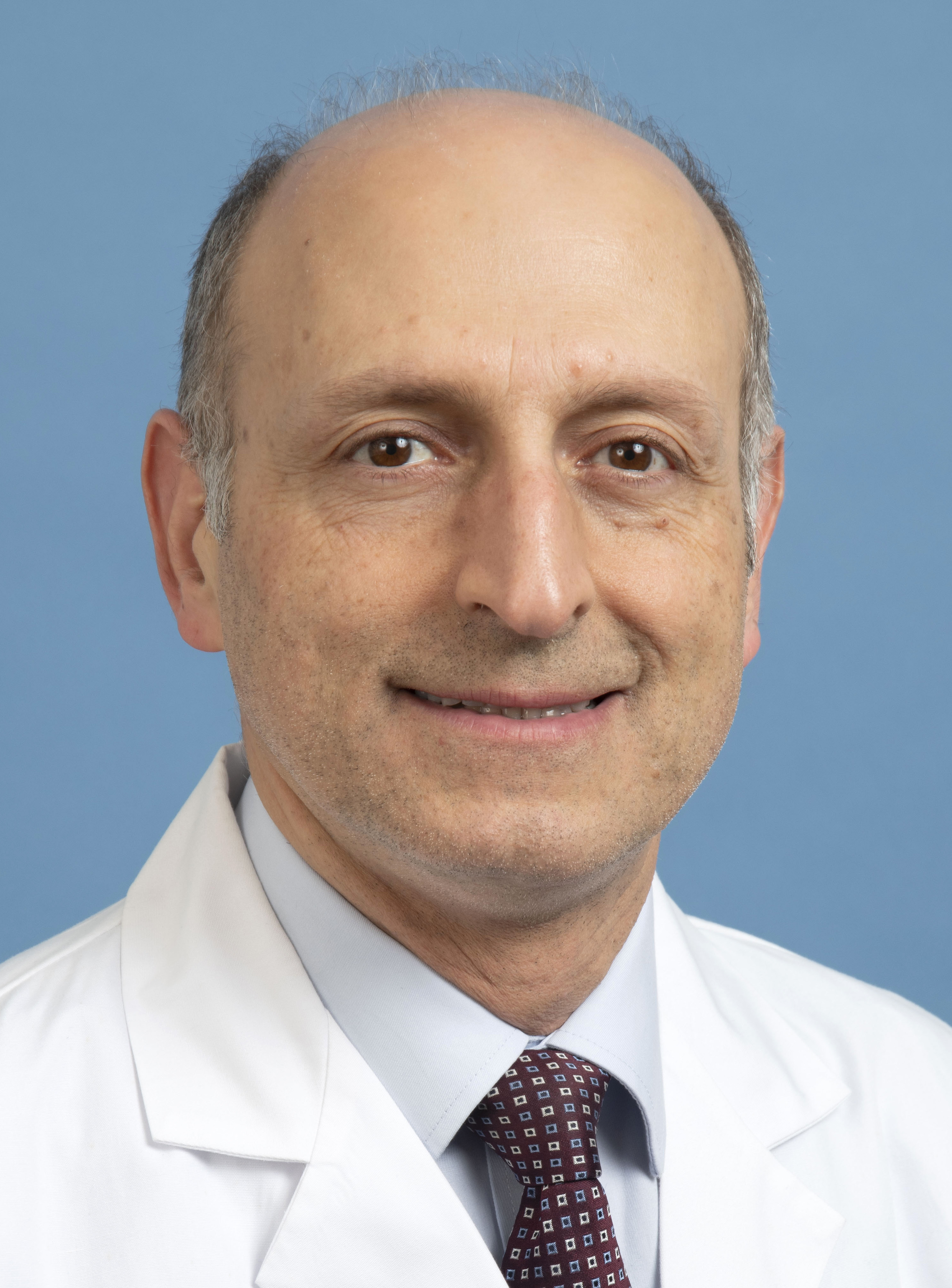
Kouros Nouri-Mahdavi, MD, MS
Kay K. Pick Chair of Ophthalmology and Chief of the Glaucoma Division
Director, Glaucoma Advanced Imaging and AI Laboratory
Director, Glaucoma and Neuro-ophthalmology Research Unit
UCLA Jules Stein Eye Institute
Dr. Nouri-Mahdavi has an active clinical practice managing adult glaucoma patients and complex cataract surgeries. Dr. Nouri-Mahdavi’s research focuses on functional and structural measurements for optimizing diagnosis of glaucoma and detection of disease progression especially in advanced glaucoma, use of machine learning approaches in glaucoma diagnostics, use of innovative technologies to assess functional impact of glaucoma, and the study of surgical outcomes in glaucoma. He has been the recipient of many awards including the American Academy of Ophthalmology’s Secretariat and Achievement Awards, American Glaucoma Society MAPS Grant Award, the American Glaucoma Society Early and Mid-Career Clinician Scientist Awards, the Gerald Oppenheimer Family Foundation Center for Prevention of Eye Disease Award, Senior Alcon Research Award, and NIH K23 and R01 awards. He has been the co-recipient of UCLA Innovation Awards in 2018 and 2019 for translational research projects.
Dr. Nouri-Mahdavi is a clinician-scientist who continues to teach and publish extensively. He frequently lectures at national and international meetings. He is a member of the American Academy of Ophthalmology (AAO), Association for Research in Vision and Ophthalmology, and was the Chair of the AGS’ Annual Meeting Committee in 2025 and 2026. He has… Read More