Procedural Pharmaceuticals in Glaucoma with Steve Sarkisian, ep 42
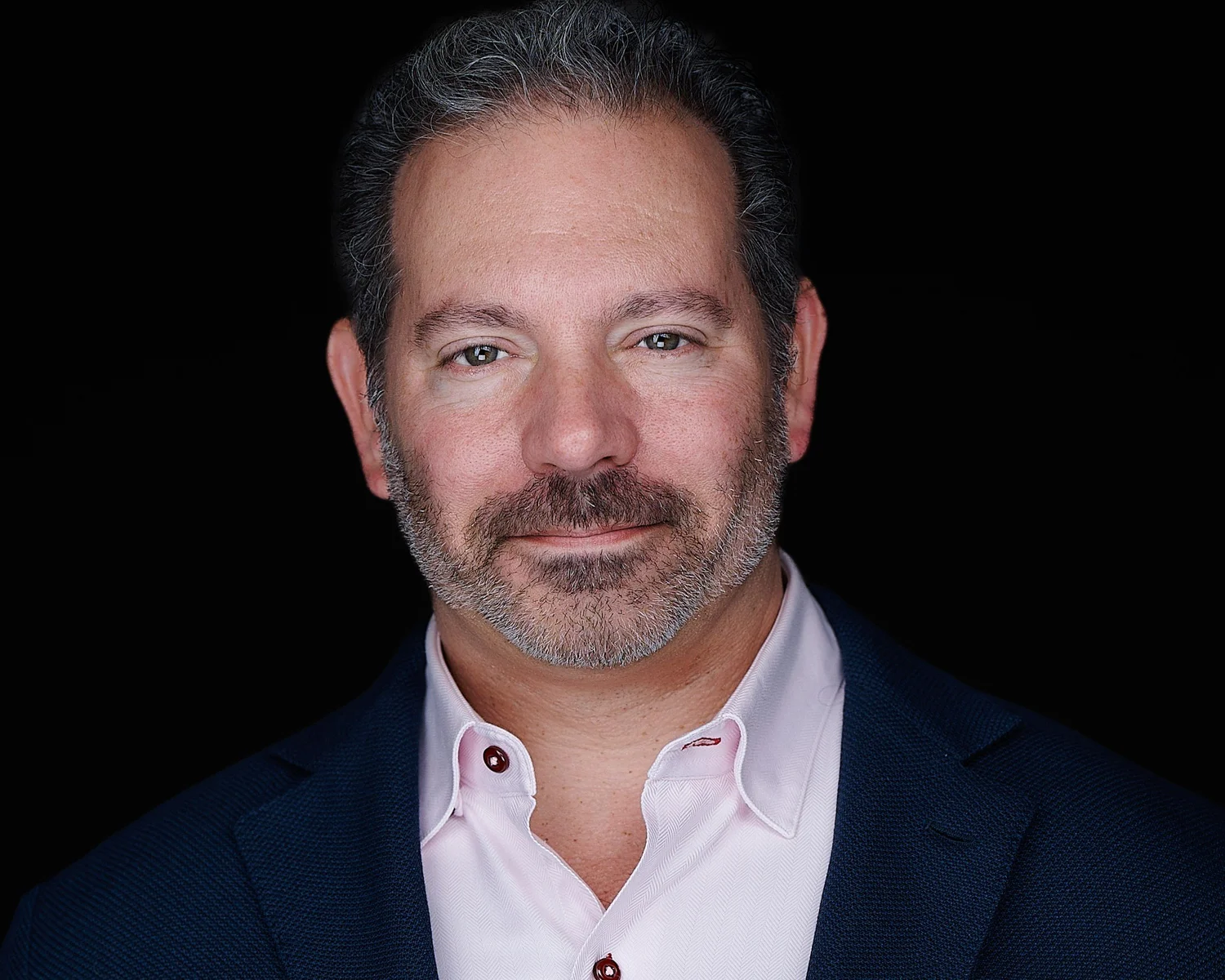
In this episode, I talk with Steve Sarkisian, Founder and CEO of Oklahoma Eye Surgeons about Procedural Pharmaceuticals.

 Apple Podcasts
 Spotify
 PocketCasts
 Podcast Addict
 Castro
 RSS Feed
 YouTube
 After a bit of talk about Rock ‘n Roll, we get into iDose (travaprost), Durysta (bimataprost), iDose combined with MIGS and/or cataract surgery, SpyGlass lens implant with bimataprost chambers, SLT laser as first line therapy, AlloFlo Uveo.
Visit https://TalkingAboutGlaucoma.com to BuyMeACoffee, find all my social feeds, subscribe to the newsletter, provide feedback and Register as a Guest if you want to be on a future episode. Video versions of some episodes can also be found on YouTube.
More information about Dr Steve Sarkisian can be found at https://www.talkingaboutglaucoma.com/guests/steven-r-sarkisian/
Theme music “Middle East Gold” ©Daniel Schertzer 2010 and published by Les Prods DOSWA Enr
This episode ©Dr Robert Schertzer Inc 2026
Procedural Pharmaceuticals in Glaucoma with Steve Sarkisian, ep 42
[00:00:00]
Introduction
Robert: hey, Steve Sarkisian, founder and CEO of Oklahoma Eye , Surgeons. I got that right, right? Oklahoma Eye Surgeons.
Steve Sarkisian: Yeah.
Robert: to the show
Steve Sarkisian: Thanks Rob, I appreciate the invitation. We've it's been a, it's been a about over, about 15 years or something since I've been on. I'm gl- glad to be on again, and I thank you for the invitation to talk
Robert: Yeah, it's great having you, and also it's sort of a relaunch of the show. It's been a year and a half or so since my last episode. I got carried away with a amateur singing career, and so I've always been a rock star wannabe, so that's where the past year and a half have gone
Steve Sarkisian: Man, that's, that's awesome. I'm, I'm, I'm jealous. I always had these visions of my children learning how play like my, my, like we can easily have a, a good, 'Cause I have four, four, we have four children and, a couple of them are somewhat musical. But the, the thought of having a family rock band is [00:01:00] kind of, it'll never happen, but it's, it's a, it's a, it's a
Robert: Rock on, man.
Steve Sarkisian: It's a fun delusion.
I, I actually would that was one of the priorities. I, I wanted my children to have a firm understanding of rock music. And so every weekend I would be sitting after getting back from the gym, I'd sit in the hot tub and all the kids would be out there and we'd just, just would d- teach them about different eras of rock music and, and I was like, "Okay, this is punk and this is new wave and this is ska and this is..." And, and man, they ate it up. They really, they really enjoyed it
Procedural Pharmaceuticals
Robert: Yeah. Now let's teach, let's teach some people about glaucoma
Steve Sarkisian: people some procedural pharmaceuticals.
Robert: Yeah.
Steve Sarkisian: them about
Robert: So what have you been involved with? I,
Steve Sarkisian: So
Robert: like the iDose is the latest, greatest, next big thing?
Steve Sarkisian: trials with, with both the the iDose, the travoprost sustained release, and the, the, and, and the bimatoprost sustained release, the, the, the [00:02:00] Durysta. So there were several Durysta studies that I was involved with, actually about three or four of them. And then the original iDose TR study, the, the the phase two and then the phase three, studies that, that allowed us to get FDA approval. I was the largest recruiter in the phase three study. So I was the first author on several of those papers that allowed the pivotal data that got us FDA approval, just talking about both safety and efficacy. And and of course, the story goes on. The next generation of, of iDose implants are, are, were being, are being studied, and I'm part of that.
And, and and, even combining iDose to other MIGS and iDose and cataract surgery and, these are all things that are being looked at. Also,
Robert: And they're different delivery methods, right? But there's one type is injecting like [00:03:00] a, basically a piece of Vicryl
Steve Sarkisian: So
Robert: other
Steve Sarkisian: the,
Robert: is into the,
Steve Sarkisian: the
Robert: into the TM
Steve Sarkisian: Durysta is injecting a dissolvable matrix that gets injected into the... the FDA approval technique was in the anterior chamber.
Robert: Right
Steve Sarkisian: and a lot of us have shifted to injecting it in the sulcus if the patient is pseudophakic just the sake of endothelial protection. And and, I think interestingly when the iDose came out and there was a gap in coverage, a lot of im- a lot of people increased their volume of Durysta because they were like, "Okay, now, when this wears off in six to 12 months, hopefully the, we'll get reimbursement for iDose."
It's now been, it's now been almost, it's Ju- February of 2024, we had the first commercially available iDoses and, it was, [00:04:00] I am, was among the first to implant them on, on Valentine- Valentine's Day of 2024. We now have, we now have pretty good coverage throughout pretty much most of the MACs and, but even a lot of the Medicare Advantage plans are starting to pay for it.
Now we still have to fight. I have the dubious distinction of being the first surgeon to submit an iDose to Medicare for reimbursement. Now the iDose differing them from the Durysta, Durysta being in, in... It can be done anywhere. It can be done in the ASC or it can be done in the
Robert: Right
Steve Sarkisian: I think 99% of everyone does them in the office just for expediency. And invariably the patient says the following words after an, a Durysta is implanted, "Is that it?" That's usually what they say. they say, "Is, is that it?" Especially those who've had retinal injections because they're like,
Robert: Yeah
Steve Sarkisian: they're freaked out by the thought of that.
So yeah, they say, "Is that, is that [00:05:00] it?" And it, because it's, it's really especially once you get in the zone with doing it, it's such a benign procedure and,
Robert: and also unlike retina injections, you're not coming back every month or so forever
Steve Sarkisian: R-right, that if they had figured out the sulcus injection thing sooner, they, they probably would have gotten their FDA approval, their FDA indication for repeat of course, big news this year, iDose got FDA approval for so big deal. It's a, it's a super big deal because even in the phase two study, we demonstrated that there was just...
there's no cell loss it's anchored. the iDose is anchored in the angle, and it just doesn't move.
Robert: Right. Whereas the Durysta caused endothelial cell loss and...
Steve Sarkisian: it moves, and
Robert: Yeah
Steve Sarkisian: the sulcus technique I think has helped save it. but not everyone's doing that, and it's not totally straightforward to do that. But I think it's [00:06:00] definitely still has its usefulness, I think, there's, there's more things down the pike.
I've also, bo- you know, with, with both, AbbVie and their development of things and, and Glaukos of course, and then SpyGlass has the IOL that's has the the two, containers or that, that have the bimatoprost in them that passively go through those, the, the, those, those holders and they get, and it's designed to be, an in-the-bag lens, and then the, the-- it's a great location being in, being in, in that, the IOL plane to have the the medicine being released there. And so that's, that study that's being s- that's being, that's being investigated.
Robert: How long is that supposed to last in terms of the medication?
Steve Sarkisian: We're, we're finding out, right? I think that that I think the study will demonstrate that, but I would, I would, I would gather that, I don't have enough [00:07:00] long-term follow-up to say, but I'm hoping that it's at least a couple years, know? And who knows? It might be, it might be three or four years.
We just don't know. I, I, I think probably the company has an idea in, in some of their in vivo studies and... and but you know, they're not sharing that with,
Robert: That's great.
Steve Sarkisian: things right.
Robert: What sort of lens, what sort of lens implant is
Steve Sarkisian: a s-
Robert: part of that?
Steve Sarkisian: a- a- acrylic lens,
Robert: So just a, a monofocal one
Steve Sarkisian: I mean, I'm sure that they can either be, become an IOL company or with someone to have, the whole IOL line.
Robert: Yeah.
Steve Sarkisian: and so
Robert: wholesome
Steve Sarkisian: are like the, know, some of the more pro- prominent things. I know there, there are, there are many other... A lot of people are trying to get into this space, and it's, it's really fascinating to see what's happening. But you know, [00:08:00] like the Durysta and the iDose TR, that's here, that's right here, right now, that is changing the way we're doing things and, a- and but it's sad that there's still, there's still people in at Medicare that just fundamentally doesn't understand what this is.
Robert: Yeah. How did your application go to get that person covered?
because isn't it, isn't it really expensive?
Steve Sarkisian: It is, but it's, if you look at what those retina implants are and how much those cost, it's, it's certainly in line with that. And I, I think there's several retina implants that are almost 20 grand. So it's, it's,
Robert: this is what? 14 grand? Is that
Steve Sarkisian: something like that. Yeah. I think it, it, and, but I'm, I'm, I'm probably... I'm still doing Durysta , I'm probably... there are some weeks where [00:09:00] I'm im- implanting like 15 iDose, and so it's really, it's, it's changed the way that we practice. And, know, so there, the, there, there, there are powers that be that are trying to, know, in order to... I, I don't know if it's because of confusion or if it's, confusion or incompetence or a nefarious technique to healthcare, but they're trying to make, they're trying to impose step therapy on this, and,
Robert: but would you still do SLT first in your patients, or do you go right
Steve Sarkisian: I, I
Robert: to an injectable?
Steve Sarkisian: it depends. I, I, I'd say probably over 90% of the time, yes. SLT is my first line therapy. I... And I, and I think that we now with the LIGHT study data have good evidence that [00:10:00] that's You
Robert: Good long term-ish and cost effective
Steve Sarkisian: that are still starting people on m- medicine, surgeons that are still start- starting medicine first, they really don't have a, a, a, they don't really have a leg to stand on anymore.
But for years I'd be incensed when I'd see an article in the throwaways and it seemed like it was a, a quarterly phenomenon where it would say, "Primary SLT: Is it ready for primetime?" And it's like we're just, are we just recycling the same nonsense? It, meanwhile
Robert: I've been doing it primary for at least 15 years. Like, I didn't need the light trial to know it worked.
Steve Sarkisian: And it's because it just makes sense. And, it, it, it's fascinating to me that, But now it's, we're there now, and I think that most people are understanding. And then the people are discovering SLT, like they're discovering a, a long lost [00:11:00] friend, that, that all of a sudden, general ophthalmologists that are buying SLTs just, you know, because they, they finally get it, it's, it's, it's a fascinating and wonderful thing because... I do a lot of standalone iDose. I do a lot of iDose TR combined with MIGS and with, with or without phaco. Some of my, the surgeries I'm doing the most frequently without just standalone glaucoma surgeries Isent infinite iDose, Omni iDose, a- and Alloflo i- iDose, Alloflo Uveo, which is a, super choroi- make, creating a super ciliary cleft and then placing sclera to keep the cleft open, donor sclera. And, comb- and combining the iDose with that I think helps, blunt any pressure spikes that may happen as some of that post, the posterior sclera that you create with your visco starts [00:12:00] to close and the patient starts to reach eq- equilibrium. That's another thing we've learned, is you gotta really, it's really smart to keep people on meds and, especially things that enhance the uveal scleral outflow.
So it's almost like the iDose and Alloflo Uveo are a match made in heaven.
Robert: Yeah, but I was wondering why, why you would combine them. 'Cause I've... I could see it, let's say, if you're, you're doing a MIGS procedure and patient's already on three meds, you may not get enough out of the MIGS alone.
Steve Sarkisian: That's exactly right.
Robert: yeah
Steve Sarkisian: And that's my logic with combining the infinite with the iDose, is that, I was first author on the, the, the pivotal data for the infinite study, and like that data, that data really surprised people because it showed that, patients with an average pressure in the mid-20s three or four medicines could...
who have failed a trab and a tube cyclophotocoagulation [00:13:00] end up with pressures in the mid-teens just with an iStent infinite. So the thought that you've bypassed the trabecular meshwork with a trabeculectomy is nonsense, because once the trabeculectomy is the bleb is stable, the, the TM wakes up somewhere in, in the, in the first month or two. You bypass it, and yeah, it might not be working that well, but does wake up. C- and putting in... And then I think there's something about the iStent infinite that allows you to spread them out so much. like I, where you can get, plus degrees of outflow.
If, if you're really making the effort make sure that they're, each one is two to three clock hours away from the next, and targeting, a little area of pigment or a little area of RBCs in the canal, to maximize where you're putting them, where the collector channels are, it is really [00:14:00] astonishing types of results that you can get.
And if you don't believe it, just look at the data. the data demonstrates that. So you get that level. So it's, I am a strong believer in, in accessing the TM first, like TM first, and but you know that if... But let's be real, like if, if you, people say but they're not gonna have as low of a pressure as if they were a trab." maybe, maybe not. Probably not, know, these people are refractory already.
Robert: Right
Steve Sarkisian: an iDose to the mix, the, the, the, we can then start to get those low teens pressures. it, it has been a dr- it's like the com- the sustained release pharmaceuticals has helped make the, the, the MIGS dream [00:15:00] evolve to It's, full manifestation of efficacy. And the, the dream, of course, obviously, is to have people have a pressure, a target, be at target pressure on as few meds as possible or no meds.
Robert: Absolutely
Steve Sarkisian: For the first time ever the advent of MIGS, we now have that. And so I think that's why we've shifted from about MIGS to talking about interventional glaucoma because, we now have that lasts three to four years, that can be repeated.
We have approval for it to be repeated. And,
Robert: can be done in office
Steve Sarkisian: it... it can be done in the office. I, I think most... A- and that's something we're working on, is trying to figure out if you have an, you [00:16:00] have an office space surgery suite that is accredited and certified, which I do. That's where I do all my eye doses in clinical trials, are in my office-based surgery suite, and it's fantastic. A patient really doesn't need more than a Valium to, to, to do, to have an eye dose. It's, it, it's, But the problem is, then there's, it, it's really the practice ex- deal, the, the dealing with the practice's revenue cycle and cost of goods sold and, you start to put all that stuff on, your, your payables start to increase, and, and and, and then that's really how it becomes, a glaucoma practice becomes like a retina practice, is where you're carrying all these high dollar things that, that have to be, then you have to like, have some security and because, here you have a bunch of things in your office that are worth
Robert: It's not Botox
Steve Sarkisian: and...
no, exactly. Changing the way [00:17:00] everything is happening. And, know, there are- There are still some people that just, just not understanding it. Get upset when, the few general, older general ophthalmologists in town are not doing anything on, patients that have glaucoma on several meds have some visual field loss, and they're still doing phaco alone on these people. And it, it really, I've retrained, we, we, my colleagues have retrained most of them, but it's really it's indefensible at this point.
Robert: Yeah. Really a lost opportunity there for the patient
Steve Sarkisian: you did cataract surgery and no, didn't address their glaucoma at the same time, God help you because, you, you really you, you, you missed the boat.
And so you, you, you've done, you've, you've, you've put that patient at risk. Just being able to add that next level of, of, of [00:18:00] protection and IOP lowering is really, it's just been it's been amazing. And like I said, it's changed my practice, who's a candidate for the iDose? Anyone with open-angle glaucoma that needs pressure to be lowered.
Robert: Yeah
Steve Sarkisian: pseudo-phakic, if they have open-angle glaucoma and they need to have a lower pressure, a candidate for procedural pharmaceuticals.
Robert: Yeah. Really helps that compliance issue of are they taking their drugs and
Steve Sarkisian: Everyone over 80 is getting procedural pharmaceuticals. And they-- And the look on their face, 'cause they know, like they know, the, the octogenarians are not a self-righteous group. They're not like, "I do everything perfectly all the time." No, they, they've developed a humility to acknowledge that they don't, and they have this overwhelming sense of relief. and their, their, their children, who are often in the office with them, They're like, "This is great. [00:19:00] please." I have had, children and grandchildren say that they go, they live near their grandparents, and they go over there just to put their drops in at night. And, and know, it's, it's setting people free from unnecessary burdens.
Robert: Yeah, and I have some patients, some patients where the, the family member can only come once a day or a couple of times a week, and so they just can't help them
Steve Sarkisian: Absolutely. And another amazing thing that we've noticed when we, when we really look at the data is that the the IOP is two milli- is on average almost two millimeters of mercury lower with the Travoprost sustained release implant than with Travoprost as an eye drop. And it's not clear to me if that's part of that is compliance, but these are people that were in the, in the clinical trial, so it's unclear to me if this was, part of this was compliance, part of this [00:20:00] was or if it's just the simple fact that the efficacy of a prostaglandin when it's inside the eye is just that much better. think it's probably more the latter because, you know what I mean? And if you think about what these
Robert: what it takes to get a med from the surface of the eye into the eye to where it needs to go.
Steve Sarkisian: If you
Robert: Yeah
Steve Sarkisian: the mechanics of that and the, the, the, the, the pharmacodynamics of topical medications, and you compare it with putting the medication right next to the end organ that you're trying to treat It, it just, it's become, it's oh, okay. This makes sense.
And, people love getting off their eye drops. I think that most of us are just delusional and think that all our patients are so wonderful and do everything we say. And, oh not my patients, they do everything I tell them. And people need to get over themselves, and I know I know this because I always see pe- people that I [00:21:00] see as new patients that are pseudophakic and they refer to me for glaucoma, I'm like, "Oh, who did your cataract surgery?" Nine times out of 10, they don't remember. And we're not really all that important. We are, but, it's not about, we're not kingdom building here. We're just trying to, know, save one eye at a time and until someone else takes over for us.
Robert: Yeah. And this, this will get us there. That's great. One last question. With the iDose, now that it re- you said it's repeatable, a proof to be repeated, is that re-injecting the medicine in the iDose or is it a second iDose?
Steve Sarkisian: So what that is, and, and we actually had, did exchange studies where, know, we would put in a, put in a, a second iDose and then use the injector, the inserter for the to grab the old iDose and remove it. But you really, y- you have to switch them out. Interestingly at three [00:22:00] years when those devices were opened and th- they weren't all exactly three years, but they have studied it, remove, looking at iDoses after three years. There was still 16% of the travoprost oil the device, which is fascinating. The know, so I have some patients that were in the iDose study that were, had implants done, eight, nine years ago that, still have some effect. It's, it's really fascinating to see. So I think also having a m- this is theoretical, I think, but there have been some studies that demonstrate a p- permanent alteration of the uveoscleral outflow with prostaglandin use.
And so having it inside the eye, you would, you can imagine, would enhance that all the more
Wrap-up
Robert: Yeah. Cool. Well, we shouldn't, we shouldn't do this just once every [00:23:00] 15 years or so. We should
Steve Sarkisian: man, I'd be happy
Robert: do this again sometime
Steve Sarkisian: to, to be, to be y- as often as you'd like to have me, man. That's, it'd be my I c- I can be I can be Matt Damon to your Jimmy Kimmel, if you'd and,
Robert: oh, sorry, we're out of time for Steve Sarkisian. Apologies.
Steve Sarkisian: Oh, man.
Robert: Yeah. Cool. Okay. Well, thanks and
Steve Sarkisian: don't know. It was a--
Robert: yeah.
Steve Sarkisian: were, they were frenemies.
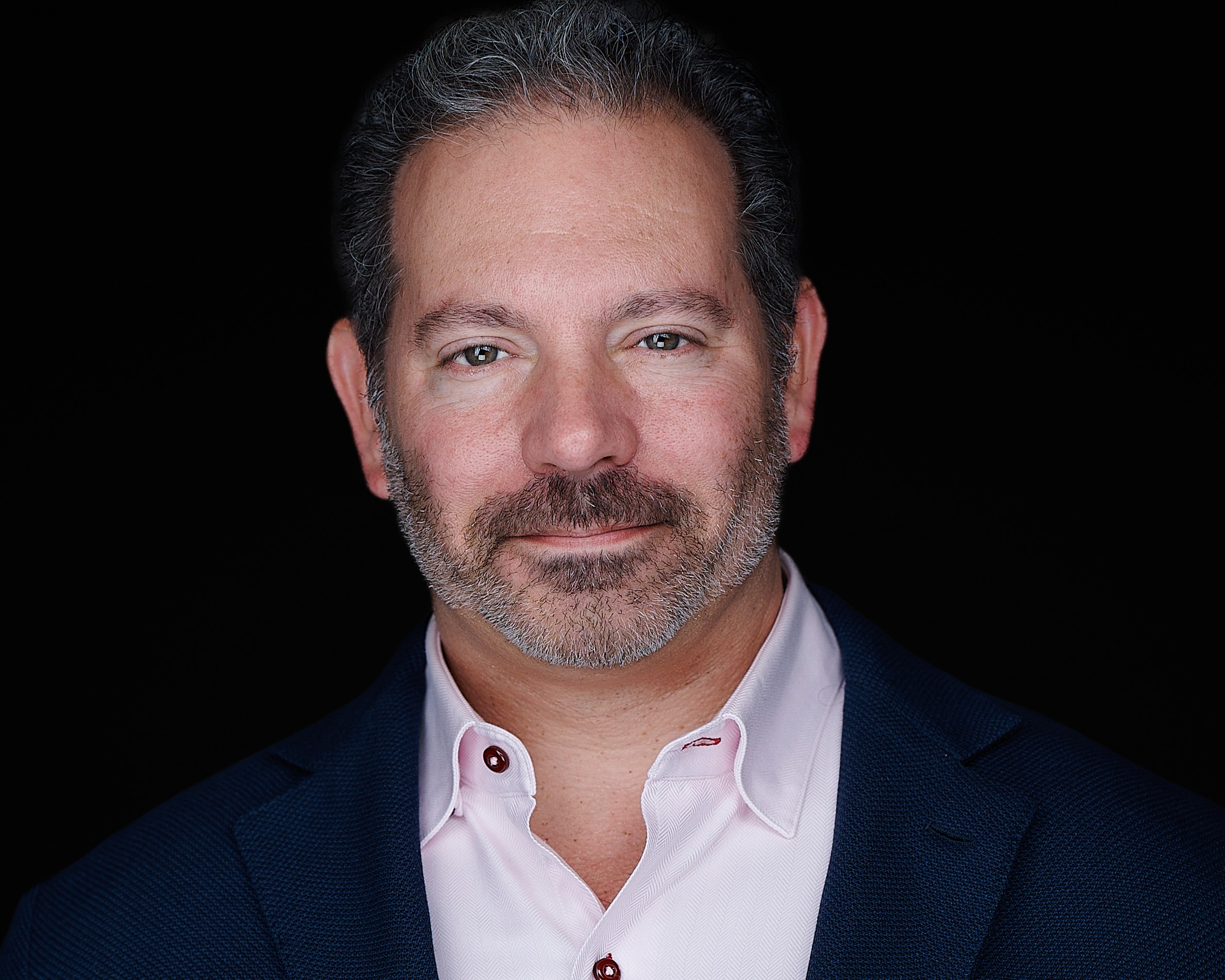
Founder & CEO - Oklahoma Eye Surgeons
Steven R. Sarkisian, Jr., MD, is the founder and CEO of Oklahoma Eye Surgeons, PLLC.
Dr. Sarkisian is a surgical innovator and was the first in Oklahoma to implant the PanOptix and PanOptix Pro trifocal lenses and perform the iStent, iStent Inject, iStent Infinite, iDose TR, Excimer Laser Trabeculotomy (ELT), Hydrus, XEN Gel Stent, Trab-Ex, SION, and canaloplasty. He was the first in the U.S. to use the OMNI device and the first in the world to use the TRAB360 and VISCO360 surgical systems, the predicate devices to the OMNI. He was the first in Oklahoma and one of the first in the USA to own and perform DSLT. Dr. Sarkisian is the former director of the glaucoma service and fellowship at Dean McGee Eye Institute and former Clinical Professor of Ophthalmology at the University of Oklahoma in Oklahoma City.
He has been involved in over 50 past and current clinical trials. Due to his involvement in the development of new glaucoma technology, he has been active in presenting and publishing his work both in America and internationally. He co-authored the book “Minimally Invasive Glaucoma Surgery, a Practical Guide” in 2016, with a second edition to be published late 2026.
Dr. Sarkisian is listed in the Best Doctors in America, Castle Connolly’s “Top Doctors”, Oklahoma Super Doctors, and “America’s Top Ophthalmologists” by the Consumers’ Research Council of America.
Born in Philadelphia, Pennsylvania, Dr. Sarkisian received his undergraduate degree from Wheaton College in Illinois, followed by graduate work at Westminster Theological Seminary in Philadelphia. He re… Read More
